





Participants are sought among interested individuals aged 40 to 59, who are not currently diagnosed with the following diseases:
– diabetes;
– chronic kidney disease;
– familial hypercholesterolemia;
– cardiovascular diseases.
The study cannot include pregnant or lactating women.
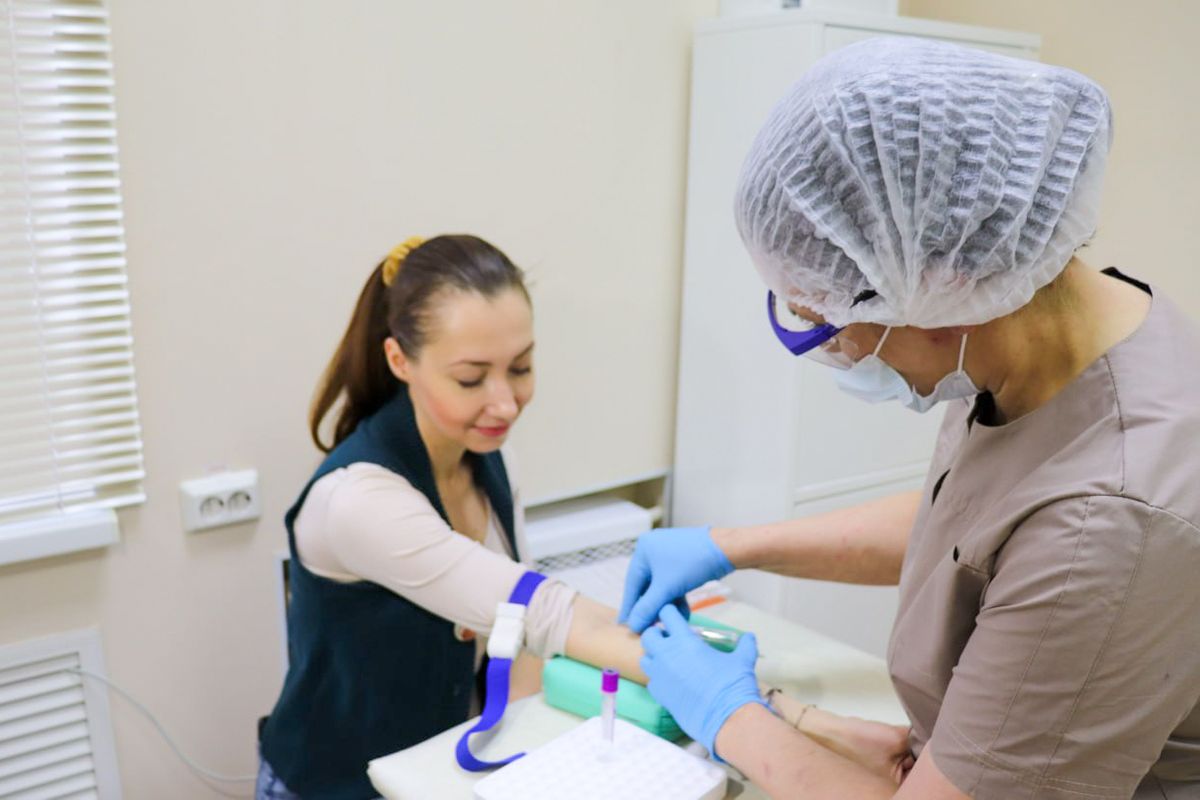
Volunteers will be asked to email their personal information. Candidates meeting the selection criteria will be sent a detailed Health status questionnaire to fill out and either email back or bring to MRC check-in desk. After that, participants will be invited to come once in the morning of the day they find convenient to have blood drawn for clinical and biochemical tests.
The test results can be either received by email or collected from MRC physician. If risk factors are detected, the participant will be given recommendations on lifestyle and dietary adjustments or a referral for consulting a relevant specialist (cardiologist, endocrinologist, etc.).

KarRC RAS Biomedical Research Center
Biomedical Research Center of KarRC RAS studies socially significant cardiometabolic diseases in residents of the European north of Russia and investigates the causes of their prevalence and early onset. The goal is to develop practical approaches to prevention, pre-clinical diagnosis, and personalized therapy.
Researchers note that northern populations, Karelia included, exhibit a higher prevalence and earlier onset of non-communicable socially significant diseases compared to the nationwide average, as well as a higher frequency of infectious diseases, especially viral respiratory ones. Cardiovascular diseases and neoplasms dominate as causes of mortality in the republic. The health status is controlled by a combination of factors: individual genetic profile, lifestyle, and regional environmental conditions. People living in northern regions are exposed to adverse climatic effects, including high variability in temperature and light conditions, poor insolation, a shortage of micronutrients, local sources of industrial pollution, and so on.
"Meanwhile, the available literature does not provide a systematic analysis of information regarding the health status of the region's residents under the impact of environmental factors, the prevalence and characteristics of the population’s marker diseases, and possible health-preserving measures", – remarked BRC specialists in a presentation delivered at the 2nd Arctic Congress (Yakutsk, 2024).

Lyudmila Lysenko, Research Line Leader at Biomedical Research Center of the Department for Multidisciplinary Research KarRC RAS
Health preservation in northern populations requires the development of an early diagnosis system for non-communicable, socially significant diseases. It should assess the person's adaptive capacity, risk factors, and existing imbalances to prevent the onset and progression of illness. To achieve this, it is crucial to develop a set of clinical and diagnostic tests. Specialists need to identify the most meaningful of the diverse indicators used today – the lipid profile, gene expression, and the levels of proteins and metabolites associated with inflammation, oxidative damage, immune imbalance, and endothelial dysfunction. For this purpose, it is essential to test as many diverse individuals as possible, which is why the study is going to take long.

Research results will be used for super early diagnosis of diseases
Previously, studying a limited sample, scientists found that the presumably healthy residents of Karelia (those who consider themselves as such and have no record of cardiometabolic diseases) have an unexpectedly frequent occurrence of early pre-pathological disturbances in blood lipid composition – a precursor to atherosclerosis and structural abnormalities of the endothelium lining the blood vessels and responsible for blood pressure control, as well as insulin resistance, which increases the risk of developing diabetes.
Early detection of these features can urge the study participants to revise their lifestyle, physical activity, or diet, since many early disorders, such as insulin resistance, are to some degree reversible. Where the problems are more pronounced, the specialist can promptly prescribe therapy, ensuring the chance for successful disease control is not missed.
Expanding the database with blood test results from the republic's residents and continuing the research will assist scientists in creating a set of clinical and diagnostic tests.