





The Karelian Research Centre was represented at the meeting by the Head of the Vilga Agrotechnology Laboratory of the Department for Multidisciplinary Research, Candidate of Biological Sciences Elena Dubina-Chekhovich, and by Junior Researcher of the Vilga Agrotechnology Laboratory Alexandra Kamova. The speakers focused primarily on two areas of the laboratory's scientific work: potato seed production and variety testing, as well as fodder production.
The core biotechnological method for in-lab research is clonal micropropagation in vitro applied to a number of crops: potato, strawberry, mint, as well as garden strawberry.
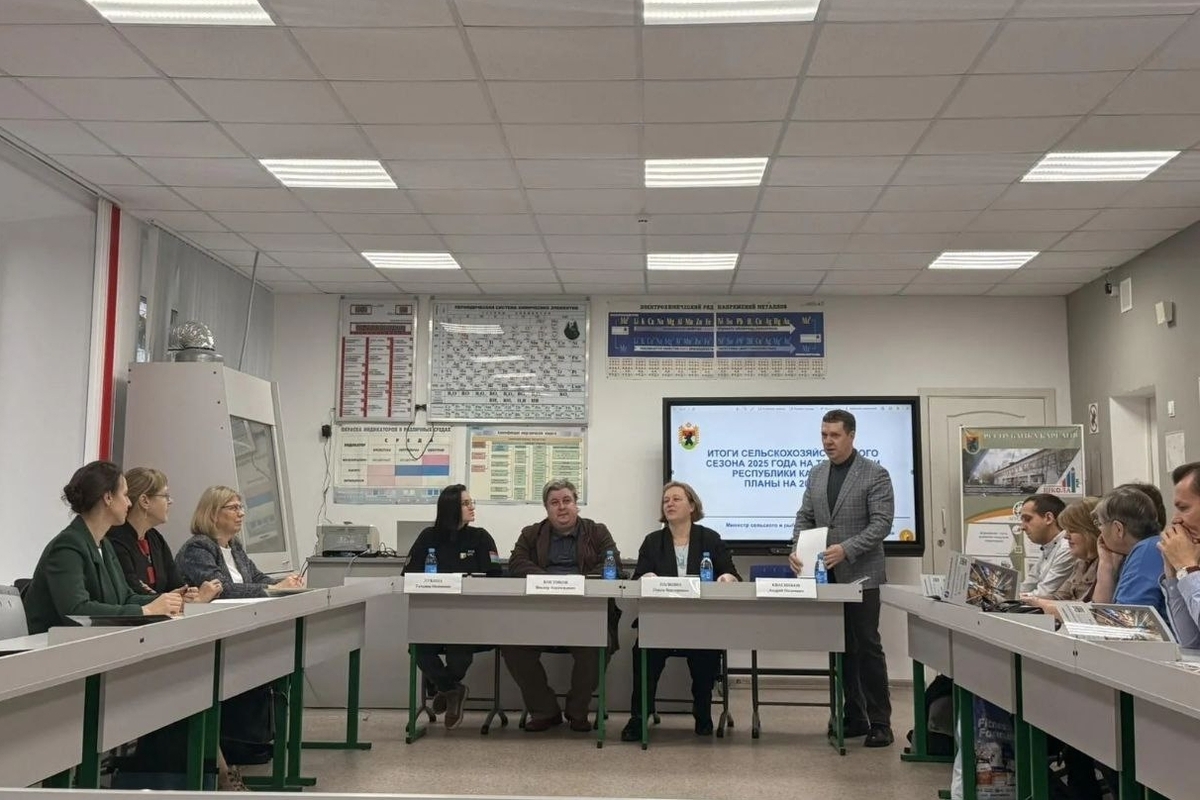
Session “Results of the agricultural season 2025 and plans for 2026”
One of the tasks in potato growing is to design a chain of commercial products and to select the varieties that are the most adaptable to Karelia’s fluctuating weather conditions. Cultivation of varieties that differ in maturation timing and bulking rates facilitates earlier supply of fresh produce to the local market and increases potato sales volumes. As Alexandra Kamova explained, the laboratory's collection comprises over 30 varieties, some of which demonstrate high productivity and possess high ecological plasticity in our republic.
In the field of fodder production, research is focused on expanding the species composition of fodder crops in Karelia through variety trials and selection of the most productive variety-microbiome systems best adapted to the region's climatic conditions in order to augment grassland yields and enhance the fodder quality. Fodder production performance is predicated on proper mowing timing, establishing and maintaining a chain of crops, increasing the area under legume and legume-grass stands, timely sward renewal, fertilization of foraging grounds, and increasing their productivity, e.g. through land clearing and improvement. The scientists demonstrated examples of a chain of crops using various grass mixtures in our region and provided recommendations for establishing stable, high-yield agricultural plant communities on Karelia's sod-podzolic soils.
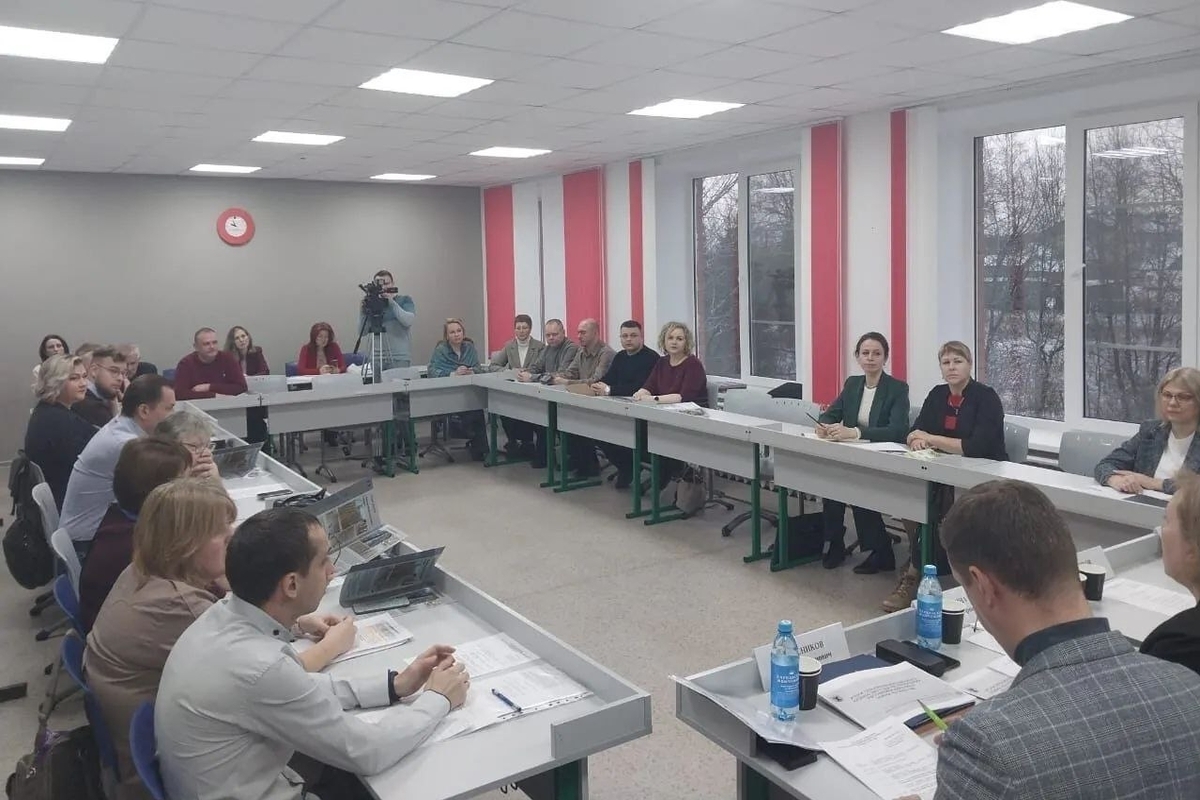
“Results of the agricultural season 2025 and plans for 2026” session participants
- In this presentation, we demonstrated how our developments can be used in practice and answered specific questions regarding the development of potato and fodder production in Karelia, - informed Elena Dubina-Chekhovich.
Vilga Agrotechnology Laboratory, successor to the Karelian State Agricultural Experimental Station, plays an important role in advancing agricultural science in the region. Its team conducts basic and applied research in priority areas of strategic importance for Karelia's agriculture. Previously, scientists have related their latest developments to the Minister of Agriculture and Fisheries of the Republic of Karelia, Olga Palkina, during her visit to the laboratory in November. The Minister got familiarized with the main research lines and appraised the high academic standards maintained at KarRC RAS.
Photos: Media Office of the Republic of Karelia Ministry of Agriculture and Fisheries